
Buyer Advice

Can You Rent Out a Cape Cod Home as a Short-Term Rental? What Buyers Should Check First

State registration, town rules, taxes, insurance, septic capacity, and condo restrictions can all affect whether a property works as a vacation rental.

The Short Answer

Can you rent out a Cape Cod home as a short-term rental?

Often, yes—but buying a property on Cape Cod does not automatically mean you can operate it as a short-term rental without additional requirements.

Massachusetts has statewide registration, tax, and insurance requirements for short-term rentals, while individual Cape Cod towns can impose their own registration, licensing, inspection, occupancy, parking, safety, and operating rules.

Condominium documents, deed restrictions, septic capacity, insurance, financing, and the specific property itself can create additional limitations.

For buyers hoping to generate vacation-rental income, the safest approach is to verify the property’s eligibility before making rental income part of the purchase decision.

Key Takeaways

🏘️Rules vary by town

Towns can set their own registration, inspection, occupancy, and parking rules.

📝State registration

Operators register each property with the Department of Revenue through MassTaxConnect.

🧾Room taxes apply

A 5.7% state excise, the 2.75% Cape Cod water fund excise, plus any local options.

🛡️$1 million coverage

Liability insurance is required per property unless a platform provides qualifying coverage.

What Counts as a Short-Term Rental in Massachusetts?

Massachusetts generally defines a short-term rental as a residential property—such as a house, apartment, cottage, condominium, or furnished accommodation—that is rented through advance reservations for 31 consecutive days or fewer and is not otherwise classified as a hotel, motel, lodging house, or bed-and-breakfast establishment.

This can include:

  • a Cape Cod vacation home
  • a condominium
  • a cottage
  • an entire single-family home
  • part of an owner-occupied home
  • another qualifying furnished residential accommodation

Longer-term arrangements, including certain month-to-month tenancies and tenancies at will, are treated differently.

Can Any Cape Cod House Be Used as a Short-Term Rental?

Not necessarily.

Whether a particular property can legally and practically operate as a short-term rental can depend on several layers of rules:

  • Massachusetts law
  • town bylaws and Board of Health requirements
  • zoning
  • registration or licensing requirements
  • building and fire-safety requirements
  • occupancy limits
  • septic or wastewater considerations
  • condominium or homeowners-association documents
  • deed restrictions
  • mortgage requirements
  • insurance coverage

That is why buyers should investigate the specific property address, rather than assuming a home can be rented simply because neighboring properties appear on Airbnb or Vrbo.

Do Massachusetts Short-Term Rentals Have to Be Registered?

Generally, yes.

Massachusetts requires short-term-rental operators to register their properties with the Department of Revenue through MassTaxConnect.

Operators receive a registration certificate for each property, and a copy of the certificate (or its number) must be given to any intermediary or booking platform they use.

There is also an important tax exemption for properties rented for no more than 14 days during a calendar year.

However, the exemption does not mean the owner can simply ignore the state registration process.

To use the exemption, the operator must register and file the required declaration indicating that the property will be rented for no more than 14 days during that calendar year.

If the owner later exceeds 14 rental days, taxes can become due on taxable rentals that occurred earlier in the year as well.

Does the Town Also Require Registration?

It may.

Cape Cod towns can impose requirements separate from Massachusetts registration.

For example, the Town of Barnstable requires rental properties—including seasonal and short-term rentals—to register with its Health Division.

Barnstable’s rental registration ordinance states that no person may rent or lease, or offer to rent or lease, any dwelling or portion of a dwelling without first registering with the Board of Health, and the Health Division notes this includes summer rentals. Registration must be renewed annually.

Mashpee operates its own short-term-rental program and requires inspections for qualifying short-term rentals.

Wellfleet currently requires short-term-rental registration and safety inspections. Its online registration system launched in January 2026, and the town states that short-term rentals operating in 2026 must complete registration and inspection requirements to receive a Short-Term Rental Certificate.

Wellfleet voters also approved a local short-term-rental bylaw at the May 2026 Town Meeting; the town reported it was under review by the Attorney General’s Office. In October 2026, the town launched an additional informational website to help property owners navigate its existing requirements.

State registration does not necessarily satisfy the town's requirements.

Are Cape Cod Short-Term-Rental Rules the Same in Every Town?

No.

This is one of the most important things for a Cape Cod buyer to understand.

Each municipality can take a different approach to short-term rentals.

A town may require:

  • annual or multi-year registration
  • inspections
  • a license or permit
  • a local contact person
  • occupancy limits
  • parking standards
  • trash-management rules
  • safety documentation
  • restrictions on events or gatherings
  • limits on particular property types
  • complaint-response procedures
  • other operating standards

The Massachusetts Department of Revenue notes that cities and towns may have separate registration or licensing requirements and advises checking with local officials where the property is located.

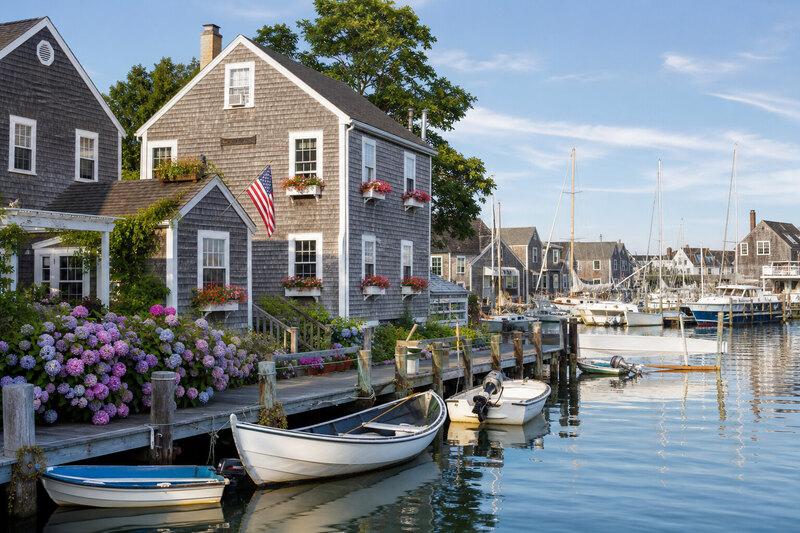
Gray shingled Cape Cod homes along a harbor dock with small boats

What Is Changing in Falmouth?

Falmouth is a good example of why buyers should check current and upcoming rules instead of relying on what was permitted several years ago.

At its April 2026 Town Meeting, Falmouth approved a new short-term-rental bylaw.

The adopted provisions are scheduled to take effect January 1, 2027.

The approved bylaw requires a two-year short-term-rental license and sets an occupancy limit of two times the number of bedrooms plus two persons, along with other operating requirements.

Because the effective date is January 1, 2027, a buyer considering a Falmouth property for vacation-rental use should verify the final implementation requirements directly with the town before relying on projected rental income.

A property that works under today’s rules may face different operating requirements after the new rules take effect.

Do Short-Term Rentals Pay Taxes in Massachusetts?

5.7%State room occupancy excise
+
Up to 6%Local option excise
+
2.75%Cape Cod & Islands Water Protection Fund
+
Up to 3%Community impact fee, where adopted

Generally, yes.

Massachusetts imposes a 5.7% state room occupancy excise on taxable short-term rentals.

Municipalities may also impose a local room occupancy excise of up to 6%, except Boston, which may impose up to 6.5%.

Cape Cod has an additional consideration.

All 15 municipalities in Barnstable County currently participate in the Cape Cod and Islands Water Protection Fund, which adds a 2.75% excise to occupancies subject to the room occupancy excise.

Towns may also adopt a community impact fee of up to 3%. It applies to professionally managed units (an operator with two or more short-term rental units in the same town) and, by a separate local vote, can also apply to units in an owner-occupied two- or three-family home.

Because local rates and applicable fees can vary, buyers should verify the current tax structure for the specific town where they are purchasing.

What About the 14-Day Rental Exemption?

Massachusetts provides a room-occupancy-excise exemption when a property is rented for no more than 14 total days during the calendar year, provided the operator registers and properly claims the exemption.

This can be useful for someone who plans to rent a Cape Cod home only occasionally.

However, if the property ends up being rented for more than 14 days during that year, the operator can become responsible for applicable room taxes on earlier rentals as well.

Buyers should therefore avoid building a rental plan around this exemption without understanding its requirements.

Do You Need Special Insurance for a Short-Term Rental?

Yes.

Massachusetts requires short-term-rental operators to maintain at least $1 million in liability insurance for each short-term-rental property, unless qualifying coverage is provided through a hosting platform.

The state also says operators must notify their homeowners or renters insurance carrier that the property will be used as a short-term rental.

A standard homeowners policy may not provide the coverage needed for short-term-rental or commercial activity.

Before purchasing, ask an insurance professional:

  • Will this property qualify for short-term-rental coverage?
  • What will the policy cost?
  • Does the carrier limit how frequently the property can be rented?
  • Is flood insurance needed?
  • Does the booking platform’s coverage satisfy Massachusetts requirements?
  • Would an umbrella or separate rental policy be appropriate?

Insurance costs and availability can materially affect whether a rental property makes financial sense.

What If the Home Has a Septic System?

This deserves special attention on Cape Cod.

Many Cape Cod homes rely on private septic systems, and Massachusetts Title 5 governs on-site sewage disposal systems.

A buyer considering short-term rentals should confirm:

  • the legally recognized bedroom count
  • the septic system records
  • whether a current Title 5 inspection is available
  • whether the property is connected to sewer or septic
  • whether planned renovations could affect septic requirements
  • whether the town considers bedroom count when determining rental occupancy
Do not assume that the number of sleeping spaces shown in a vacation-rental advertisement is the same as the legally recognized bedroom count.

A listing may show bunk beds, sleeper sofas, converted rooms, or other sleeping areas that do not necessarily establish additional legal bedrooms.

That distinction can matter when evaluating occupancy and rental potential.

Why Is Wastewater Such a Major Cape Cod Issue?

Wastewater management is particularly important on Cape Cod because nitrogen from wastewater contributes to pollution in coastal embayments.

Even properly functioning conventional Title 5 septic systems are not designed primarily to remove nitrogen.

Cape communities are therefore making major investments in wastewater infrastructure and water-quality improvements.

The additional 2.75% Cape Cod and Islands Water Protection Fund excise on taxable lodging helps support wastewater infrastructure projects.

For buyers, wastewater should be considered part of long-term property due diligence—not simply a rental-management issue.

Does a Condo Allow Short-Term Rentals?

Not automatically.

Even if Massachusetts and the town permit short-term rentals, a condominium association may have its own rental restrictions.

Before buying a condo with the intention of offering vacation rentals, review documents such as:

  • the master deed
  • declaration of trust
  • bylaws
  • rules and regulations
  • amendments
  • rental policies
  • minimum-lease requirements

Ask specifically whether there are:

  • minimum rental periods
  • annual rental limits
  • short-term-rental prohibitions
  • guest-registration requirements
  • rental fees
  • pet restrictions
  • parking restrictions
  • pending rule changes

A condominium that looks ideal for vacation rentals may not work for that strategy if the association prohibits or limits short-term rentals.

Shingled Cape Cod cottages with hydrangeas and a picket fence beside a harbor with sailboats

What About Deed Restrictions?

Buyers should also review the property’s title and deed restrictions.

Certain affordable-housing restrictions, conservation restrictions, development agreements, or other recorded documents may limit how a property can be occupied or rented.

Your closing attorney can help determine whether recorded restrictions affect your intended use.

Do not rely solely on the listing description.

Can You Rent an Accessory Dwelling Unit as a Vacation Rental?

Do not assume you can.

Rules governing accessory dwelling units and rules governing short-term rentals are not necessarily the same.

A municipality may restrict short-term rental use of an ADU even when the accessory unit itself is otherwise permitted.

If the property has a:

  • guest cottage
  • converted garage
  • basement apartment
  • detached dwelling
  • accessory dwelling unit

that you intend to rent separately, verify that use with the appropriate town departments before purchasing.

The fact that a space contains a kitchen, bathroom, and separate entrance does not automatically mean it is legally approved as a short-term rental dwelling.

Does the Property Need an Inspection Before It Can Be Rented?

That depends on the municipality.

Mashpee, for example, currently requires inspections for qualifying short-term rentals, including an initial inspection for new short-term-rental operators.

Wellfleet also requires short-term-rental registration and safety inspections.

Other Cape towns use different systems.

Does this town require a rental inspection, and will this property meet the requirements in its current condition?

Potential inspection issues may include:

  • smoke and carbon monoxide alarms
  • egress
  • occupancy
  • bedroom configuration
  • building-code compliance
  • septic limitations
  • other local health and safety requirements

How Many Guests Can Stay in the Property?

There is no single Cape-wide occupancy formula that buyers should assume applies everywhere.

Occupancy limits can depend on:

  • the municipality
  • legally recognized bedroom count
  • health regulations
  • septic capacity
  • building configuration
  • fire-safety requirements
  • local short-term-rental bylaws

Falmouth’s approved short-term-rental framework, for example, includes an occupancy component as part of its local regulatory program beginning in 2027.

Buyers should verify maximum legal occupancy rather than calculate expected rental income based simply on how many beds can physically fit inside the home.

What About Parking?

Parking can be an overlooked limitation.

A home may physically accommodate a large group but have insufficient legal or practical parking to support that level of occupancy.

Before purchasing, consider:

  • driveway capacity
  • street-parking restrictions
  • association rules
  • local rental standards
  • shared driveways
  • rights of way
  • garage access
  • whether guest parking could affect neighboring properties

Parking and neighborhood impacts are among the issues municipalities may address through short-term-rental regulations.

Can You Hold Weddings or Large Events at a Short-Term Rental?

Do not assume that a short-term rental can also operate as an event venue.

Local bylaws, zoning regulations, occupancy limits, noise rules, parking restrictions, septic capacity, and private agreements can all limit events.

Falmouth’s approved bylaw, for example, prohibits using a short-term rental for any purpose that charges admission, directly or indirectly, or advertises attendance.

If hosting weddings, reunions, corporate events, or other large gatherings is part of the plan, investigate that use separately before purchasing.

Does Airbnb or Vrbo Handle All of This for You?

No.

A booking platform may help with:

  • reservations
  • guest payments
  • collection or remittance of certain taxes
  • communication
  • qualifying liability coverage

But using a platform does not automatically make a property compliant with local zoning, registration, inspection, occupancy, septic, condominium, parking, or other operating requirements.

The property owner remains responsible for understanding whether the property can legally be used as intended.

Should Buyers Rely on the Seller's Rental History?

Rental history can be helpful, but it should not be treated as proof that future rentals will be allowed or that the property will continue producing the same income.

Ask for documentation such as:

  • previous gross rental income
  • booking history
  • occupancy history
  • management expenses
  • cleaning expenses
  • utility expenses
  • insurance premiums
  • state registration information
  • local registration or licenses
  • inspection records
  • tax documentation
  • platform statements
  • maintenance history

Then independently verify the regulatory side.

A property may have been rented previously even though rules have since changed—or may soon change.

Can a Seller Guarantee Future Rental Income?

Future rental income should be treated as a projection, not a certainty.

Performance can change because of:

  • seasonality
  • weather
  • economic conditions
  • new competition
  • platform changes
  • local regulations
  • insurance costs
  • property condition
  • management quality
  • pricing strategy
  • changes in travel demand
Can I legally rent this property? • Will this property generate the income I expect?

They are not the same question.

Should You Tell Your Lender You Plan to Rent the Home?

Yes.

Be transparent about the property’s intended use.

Mortgage programs can distinguish among:

  • primary residences
  • second homes
  • investment properties

If you expect to rent the property regularly, ask your lender how that use affects:

  • loan eligibility
  • occupancy requirements
  • down payment
  • cash reserves
  • documentation
  • underwriting
  • whether projected rental income can be considered

Do not assume that financing approved for one occupancy type automatically permits every rental strategy you may have in mind.

What Should Buyers Check Before Purchasing a Cape Cod Short-Term Rental?

Before making projected rental income part of your purchase analysis, verify:

  1. Town rules — Is short-term-rental use permitted for this property?
  2. Local registration — Is a license, certificate, or registration required?
  3. State registration — What must be filed through MassTaxConnect?
  4. Taxes — What state, local, water-protection, and other applicable fees apply?
  5. Insurance — Can you obtain the required short-term-rental liability coverage?
  6. Septic or sewer — What is the approved bedroom count and wastewater status?
  7. Legal occupancy — How many guests can legally stay?
  8. Condo or HOA rules — Are short-term rentals restricted?
  9. Deed restrictions — Does the property’s title contain limitations?
  10. Building status — Are bedrooms, additions, finished basements, and accessory spaces legally approved?
  11. Safety requirements — Are inspections or upgrades required?
  12. Parking — Is there enough legal parking for the permitted occupancy?
  13. Financing — Does the planned rental use comply with the mortgage?
  14. Management — Who will handle guests, cleaning, emergencies, trash, and complaints?
  15. Financial assumptions — Are projected income and operating expenses realistic?

Questions to Ask Before Making an Offer

If short-term-rental potential is important to you, ask:

  • Has this property previously been used as a short-term rental?
  • Is it currently registered with Massachusetts?
  • Is it registered or licensed with the town?
  • Are there outstanding rental violations or complaints?
  • What is the legally recognized bedroom count?
  • Is the property on septic or sewer?
  • Are current septic records available?
  • Is there a condominium or association rental restriction?
  • Are there occupancy limits?
  • Are there parking restrictions?
  • Does the town require inspections?
  • Are there pending local rule changes?
  • What insurance does the seller currently carry?
  • Are rental-income records available?
  • What expenses are excluded from the advertised gross rental income?

The answers can materially change the value of the property for your intended use.

Shingled Cape Cod home with a covered porch, hydrangeas, and a stone wall overlooking a harbor

Common Questions About Cape Cod Short-Term Rentals

Short-term rentals operate throughout Cape Cod, but rules vary by municipality and property. Massachusetts registration, tax, and insurance requirements also apply.

There is no single Cape-wide “Airbnb permit.” Depending on the town, however, you may need local registration, licensing, a certificate, inspections, or other approvals in addition to Massachusetts registration.

No. Massachusetts imposes a 5.7% state room occupancy excise. All Barnstable County municipalities currently participate in the additional 2.75% Cape Cod and Islands Water Protection Fund excise. Local-option room taxes and any applicable community impact fees can vary by town.

Potentially. Massachusetts has a room-occupancy-excise exemption for qualifying properties rented no more than 14 days during a calendar year, but registration and declaration requirements still apply. Local town rules may also continue to apply.

Yes. Massachusetts requires at least $1 million in short-term-rental liability insurance per property, unless qualifying coverage is provided through a hosting platform.

Maybe. You must check both municipal requirements and the condominium documents. A town may permit short-term rentals while the condominium association prohibits or limits them.

Only if the space is legally approved for the intended use and complies with applicable local requirements. Do not assume a finished space is a legal dwelling or rentable bedroom simply because it is currently furnished that way.

No. Verify the property’s state registration, local requirements, inspections, association rules, title restrictions, and current regulations independently. Ownership changes, expiring registrations, upcoming bylaws, or compliance issues can affect future use.

Final Takeaway

Yes, many Cape Cod homes can be used as short-term rentals—but rental potential should be verified, not assumed.

Massachusetts has statewide short-term-rental registration, tax, and insurance requirements.

Cape Cod adds another layer because individual towns can establish their own registration, inspection, occupancy, parking, and operating rules.

And the regulatory landscape continues to evolve.

  • Barnstable currently requires rental registration.
  • Mashpee operates a short-term-rental inspection program.
  • Wellfleet currently requires short-term-rental registration and safety inspections.
  • Falmouth’s newly approved short-term-rental bylaw is scheduled to take effect January 1, 2027.
Do not buy a property based on expected vacation-rental income until you have confirmed that the specific property can legally and practically support the rental strategy you are planning.

That means checking the town, property records, septic or sewer information, insurance, condominium or deed restrictions, financing, occupancy limits, parking, operating expenses, and current regulations before relying on projected rental income.

Nancy Cassano, real estate agent serving Greater Boston and Cape Cod

Thinking About Buying a Cape Cod Home?

If you’re considering a Cape Cod property as a vacation home, second home, or potential short-term rental, Nancy can help you identify the right property questions and coordinate with the appropriate town departments, attorney, lender, insurance professional, and other specialists before you buy.

Search available properties at www.newhomema.com or contact Nancy at 508.954.3420.

Nancy Cassano | Realtor | Serving Greater Boston & Cape Cod
Phone: 508.954.3420
Email: nancyc@todayrealestate.com
Website: www.newhomema.com

Compare listings

Compare