What Unique Challenges and Costs Should Buyers Be Aware of When Purchasing Homes on Cape Cod, Including Septic System Regulations and Seasonal Maintenance?

Buying on Cape Cod requires planning for septic systems, seasonal upkeep, and unique local costs — vital for buyers navigating Barnstable’s competitive market.

Understanding the Cape Cod Market: What Buyers Need to Know

If you’re considering purchasing a home on Cape Cod, particularly in Barnstable, you’re entering a market unlike most others in the U.S. With high demand, limited inventory, and unique local regulations, it’s crucial to know what costs and challenges you might face before signing on the dotted line. Whether you’re a first-time buyer, an investor, or a seasonal resident, understanding these factors can save you money, time, and stress.

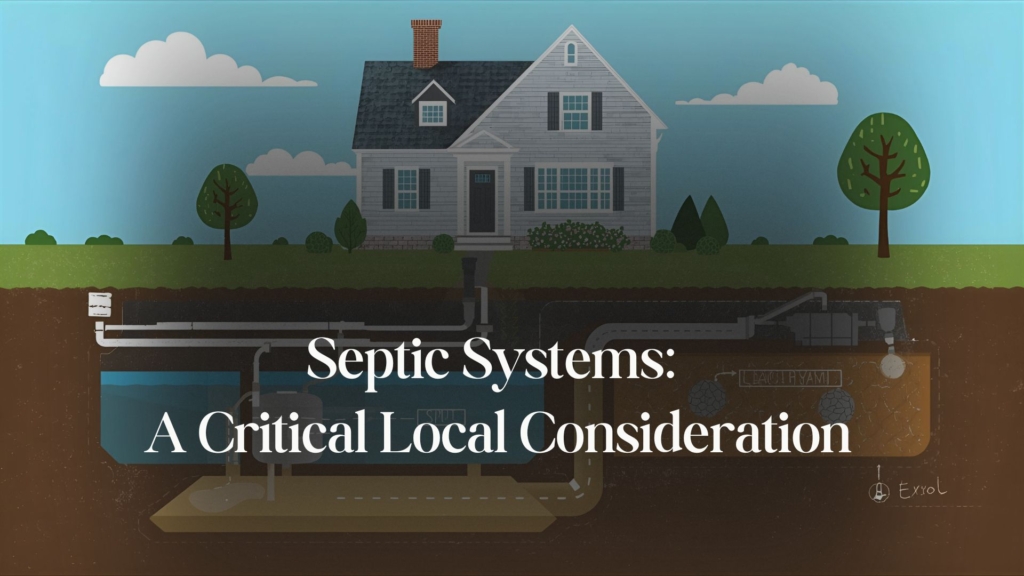
1. Septic Systems: A Critical Local Consideration

Unlike most urban areas connected to municipal sewer systems, Cape Cod properties rely heavily on septic systems. These systems require careful inspection, maintenance, and sometimes costly repairs.

Key points to consider:

  • Inspection and Maintenance: Buyers should budget $500–$1,500 for a professional septic inspection before closing.

  • Replacement Costs: Full system replacements can range from $20,000 to $50,000 depending on the property size and soil conditions.

  • Local Regulations: Barnstable and surrounding Cape Cod towns have strict regulations to protect local waterways. Some properties may require upgraded or expanded systems before transfer.

Failing to account for these can delay closings and add unexpected expenses.

Sources:

2. Seasonal Maintenance: Weather and Wear

Cape Cod’s coastal location makes homes vulnerable to seasonal wear. From harsh winter storms to humid summers, routine upkeep is essential.

Seasonal maintenance costs to anticipate:

  • Winterization & Heating: $1,500–$3,000 annually to winterize plumbing and maintain heating systems.

  • Roof & Siding Maintenance: Salt air and strong winds accelerate wear; plan for $2,000–$5,000 every few years.

  • Landscaping & Exterior Upkeep: Coastal vegetation, sand erosion, and drainage management can add $1,000–$2,500 per year.

Even if you plan to be a seasonal resident, neglecting these tasks can reduce your property’s value and make future repairs more expensive.

Pro Tip: Partnering with a local Cape Cod Realtor can help you identify homes with lower maintenance demands or already upgraded systems.

3. Property Insurance and Flood Risks

Because Cape Cod is a coastal region, buyers must account for insurance costs, which can be significantly higher than the national average.

  • Flood Insurance: Required for homes in FEMA flood zones, costing $1,500–$5,000 annually.

  • Wind & Storm Coverage: Optional, but recommended due to seasonal hurricanes and nor’easters.

  • Insurance Factors: Age of home, roof condition, and proximity to water all impact premiums.

Being proactive about insurance helps you avoid last-minute surprises during closing.

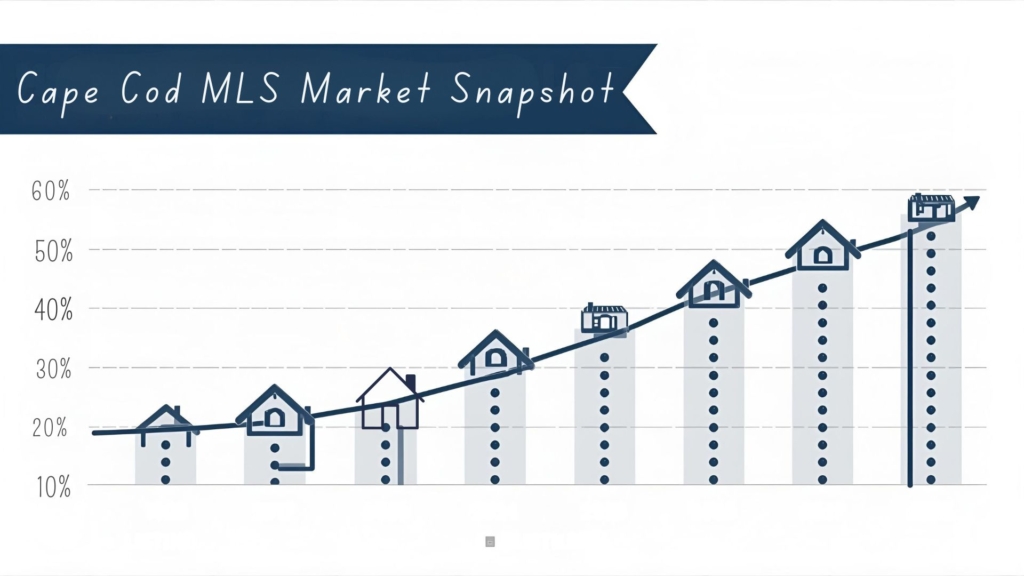
4. Cape Cod MLS Market Snapshot (Example Data)

Using recent trends for Barnstable and greater Cape Cod:

Metric Last 30 Days Last Quarter Year-to-Date 2025
Median Home Price $625,000 $620,000 $615,000
Average Days on Market 45 50 48
Active Listings 210 220 200
Closed Sales 75 210 680

These numbers illustrate that while prices remain high, homes are staying on the market longer, giving buyers slightly more negotiation power — but careful budgeting for local costs is still essential.

Sources:

5. Hidden Costs Beyond the Sale Price

Beyond standard closing costs, buyers in Cape Cod should prepare for additional fees:

  • Title & Transfer Fees: $2,000–$3,500 depending on property value.

  • Local Improvement Assessments: Some towns levy fees for water, sewer, or road improvements.

  • HOA or Condo Fees: For certain neighborhoods, monthly fees may range $200–$600.

Understanding these ahead of time allows you to budget accurately and avoid surprises.

6. Tips for Buyers in Barnstable and Cape Cod

  • Hire a Local Realtor: A Cape Cod Realtor familiar with Barnstable regulations will guide you through septic, maintenance, and seasonal considerations.

  • Budget for Upgrades: Factor inspections and potential repairs into your offer.

  • Consider Timing: Seasonal shifts affect both pricing and availability; spring and summer often see higher demand.

  • Research Neighborhoods: Some towns have stricter septic regulations or flood risk areas.

FAQs

Q1: How often should a septic system be inspected in Cape Cod?
A: Every 3 years for typical residential properties; older homes may require annual checks.

Q2: Are Cape Cod homes more expensive to maintain than other regions?
A: Coastal conditions, seasonal weather, and local regulations often make annual maintenance costs higher than the national average.

Q3: Can I negotiate repair costs with sellers in Barnstable?
A: Yes — inspection findings, especially septic or structural issues, can be used to negotiate credits or price reductions.

Conclusion & Next Steps

Buying a home on Cape Cod is an exciting opportunity, but it comes with unique challenges — from septic systems and seasonal maintenance to insurance and local regulations. By planning ahead, working with a knowledgeable Cape Cod Realtor, and budgeting for all costs, you can confidently navigate the Barnstable market and secure the home that fits your lifestyle and investment goals.

© 2026 All Rights Reserved.

Barnstable Lifestyle: Pros & Cons

Barnstable Lifestyle: Pros & Cons I often meet buyers who say the same thing after...
Continue reading

The Most Common Seller Regrets

The Most Common Seller Regrets I’ve sat at many kitchen tables with homeowners after their...
Continue reading

How AI Is Changing Home Buying

How AI Is Changing Home Buying A buyer said something to me recently that stuck. “I already...
Continue reading

Why Some Renovations Don’t Add Value

Why Some Renovations Don’t Add Value One of the most common conversations I have with...
Continue reading

Compare listings

Compare