🛠️ What Are Common Home Inspection Issues in Older Cape Cod Homes?

What Buyers and Sellers Need To Know About Historic Cape Properties

🏡 Cape Cod Homes: Full of Charm… and a Few Surprises

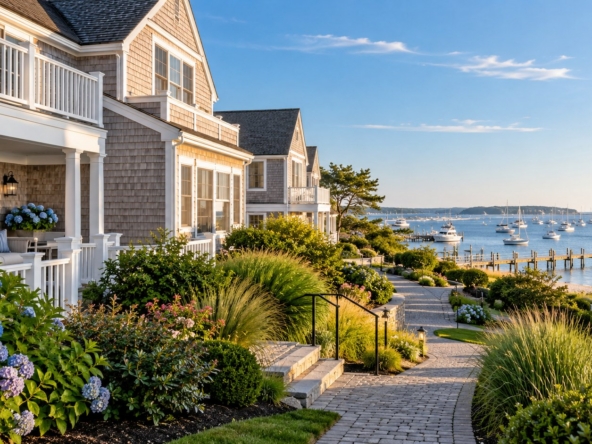
There’s nothing quite like owning a classic Cape Cod home — with weathered shingles, hydrangea-lined fences, and cozy New England charm. But if you’re buying (or selling) an older home in Barnstable County, a home inspection is more than a formality — it’s essential.

As a local Cape Cod real estate agent, I’ve walked through dozens of home inspections from Falmouth to Eastham, and there are a few common issues that tend to pop up in older properties here on the Cape.

Let’s break them down so you know what to expect — and how to prepare.

🔎 1. Outdated Electrical Systems

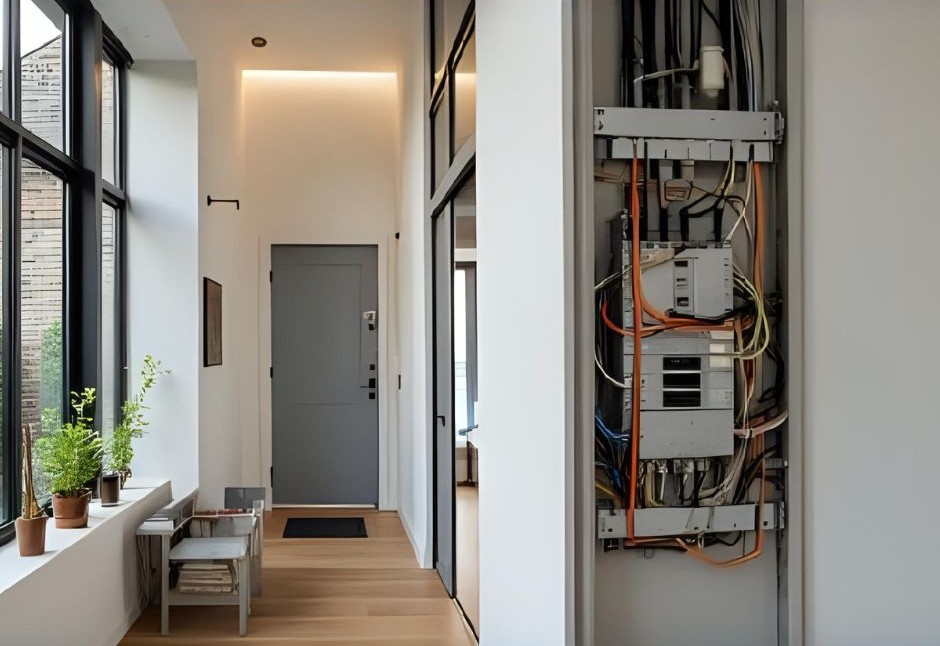
Many homes on Cape Cod were built before modern electrical codes. It’s common to find:

  • Old fuse boxes instead of breaker panels

  • Knob-and-tube wiring (a major insurance red flag)

  • Insufficient grounding or overloaded circuits

💡 Why it matters: Not only are these systems a safety issue, but they can also limit your ability to run modern appliances or charge electric vehicles.

🚿 2. Plumbing Problems

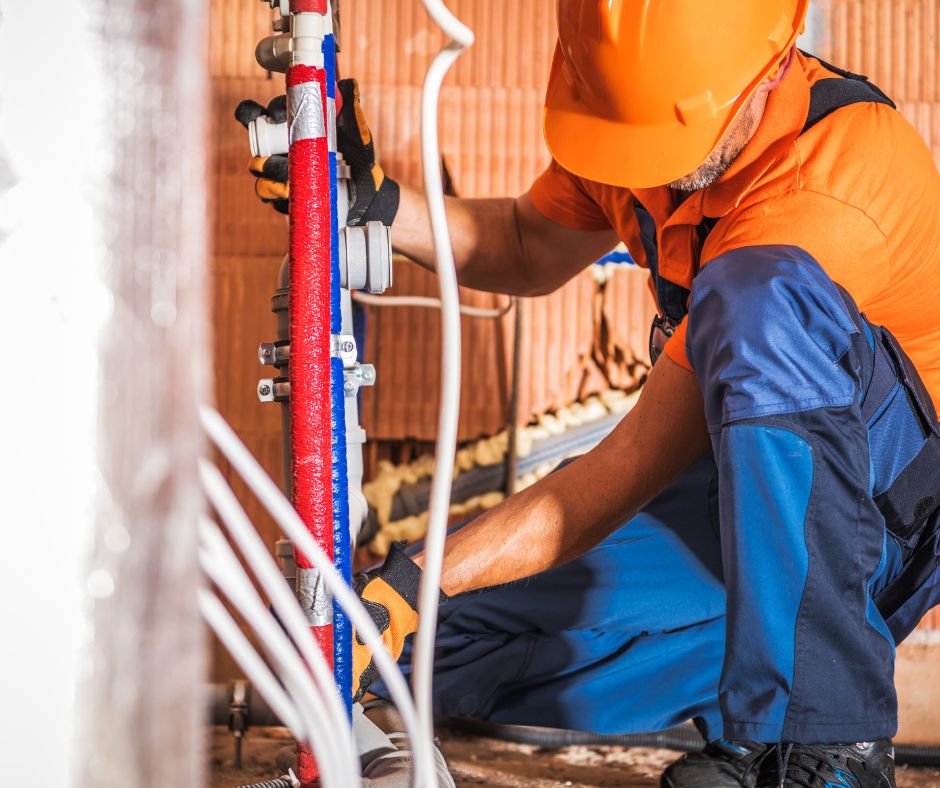
Older Cape Cod homes — especially those built before the 1960s — often have outdated plumbing, including:

  • Galvanized steel pipes that corrode internally

  • Low water pressure or rust-colored water

  • Failed septic systems or cesspools (common in towns like Yarmouth, Harwich, and Mashpee)

💡 What to do: Get a Title V inspection for septic and consider budgeting for plumbing upgrades if galvanized pipes are present.

🧱 3. Foundation or Structural Issues

From sandy soil to coastal weather, Cape homes endure a lot. Common issues include:

  • Settling or uneven floors

  • Cracked foundations or fieldstone walls

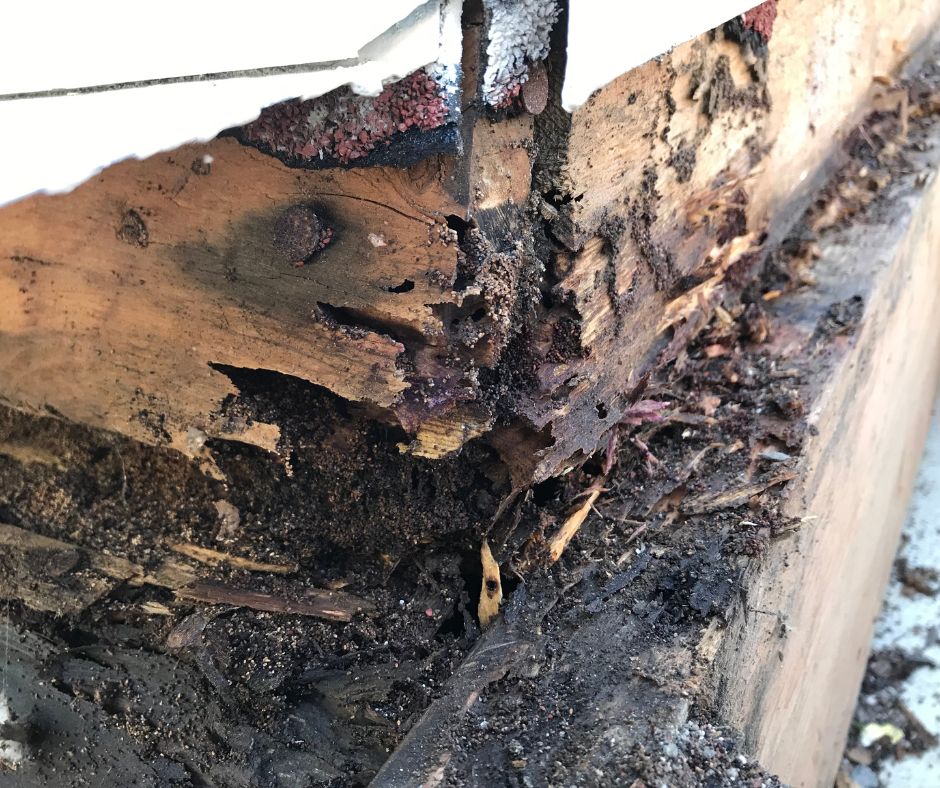
  • Rotting sills or termite damage

  • Basement moisture and mold

💡 Pro tip: Homes built on crawlspaces or with unfinished basements need extra scrutiny — especially in low-lying or flood-prone areas like Dennis Port or West Yarmouth.

🪟 4. Inefficient Windows and Insulation

Older Cape Cod homes weren’t built with today’s energy standards. Inspection reports often call out:

  • Single-pane or drafty windows

  • Lack of wall insulation or attic ventilation

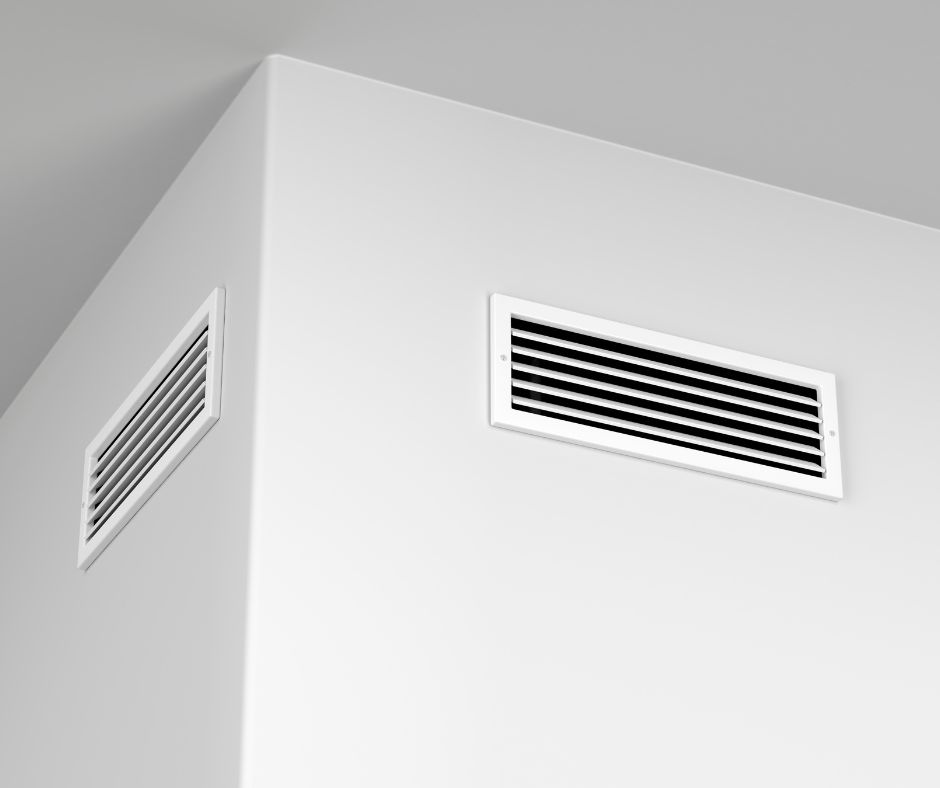
  • Older oil furnaces or outdated HVAC systems

💡 Buyer tip: Ask about energy bills — and consider Mass Save programs for efficiency upgrades.

🧼 5. Asbestos, Lead Paint, and Environmental Hazards

If the home was built before 1978, expect your inspector to note:

  • Potential lead-based paint (especially on trim and doors)

  • Asbestos in insulation, floor tiles, or ductwork

  • Radon levels or mold in basements

💡 Seller tip: Disclose known issues and consider pre-inspection to stay ahead of buyer concerns.

💬 Final Thoughts: Older Homes Need Informed Buyers (and Sellers)

Older homes on Cape Cod have character you just can’t build anymore — but they also come with quirks that shouldn’t be overlooked.

Whether you’re buying a fixer-upper in South Yarmouth or listing a charming cottage in Orleans, a home inspection is your best friend. It’s not about scaring you away — it’s about empowering you with information.

📩 Ready to buy smart or sell with confidence?

© 2026 All Rights Reserved.

Barnstable Lifestyle: Pros & Cons

Barnstable Lifestyle: Pros & Cons I often meet buyers who say the same thing after...
Continue reading

The Most Common Seller Regrets

The Most Common Seller Regrets I’ve sat at many kitchen tables with homeowners after their...
Continue reading

How AI Is Changing Home Buying

How AI Is Changing Home Buying A buyer said something to me recently that stuck. “I already...
Continue reading

Why Some Renovations Don’t Add Value

Why Some Renovations Don’t Add Value One of the most common conversations I have with...
Continue reading

Compare listings

Compare