
Seller Advice
Can You Sell a House With an Open Permit in Massachusetts?
What sellers and buyers should know about permit history, inspections, local closeout requirements, and closing timelines
November 2026 | By Nancy Cassano
Seller Advice
What sellers and buyers should know about permit history, inspections, local closeout requirements, and closing timelines
November 2026 | By Nancy Cassano
Can you sell a house with an open building permit in Massachusetts?
Potentially, yes—but an unresolved permit can create questions that need to be addressed before closing.
An “open permit” may mean that permitted work was started but never received its required final inspection, that an inspection or sign-off remains outstanding, that the permit expired before the process was completed, or simply that the municipality’s records still show the project as unfinished.
Massachusetts has a statewide building code, but building permits are administered locally. That means the exact steps required to resolve an old permit can depend on the municipality, the type of work involved, the age and status of the permit, and what was actually completed.
It may simply mean the permit process was never closed out.
Statewide code, but each municipality handles permits and inspections.
Permits can become invalid if work doesn't start, or stops, for 180 days.
Finding it early gives you time to resolve it calmly.
A building permit authorizes specific work to be performed under the applicable building code and local permitting process.
Not every project requires the same approvals, and larger projects may involve several separate permits. An open permit generally means the permitting process has not been fully completed or closed in municipal records.
An open permit does not automatically tell you that something is wrong with the work. It tells you that there is more to investigate.
No. Massachusetts has a statewide building code, but local cities and towns administer building permits and inspections. That means there is no single statewide process that every seller can follow to resolve an open permit before selling a home.
When the online record is unclear, the best source is usually the building department with jurisdiction over the property.
Yes, it can. But an unresolved permit does not automatically mean the closing must be delayed. Its effect depends on the permit issue, the contract, the municipality, attorney review, lender requirements, and whether the parties can resolve the matter before closing.
🏠 Verified Cape Cod transaction example
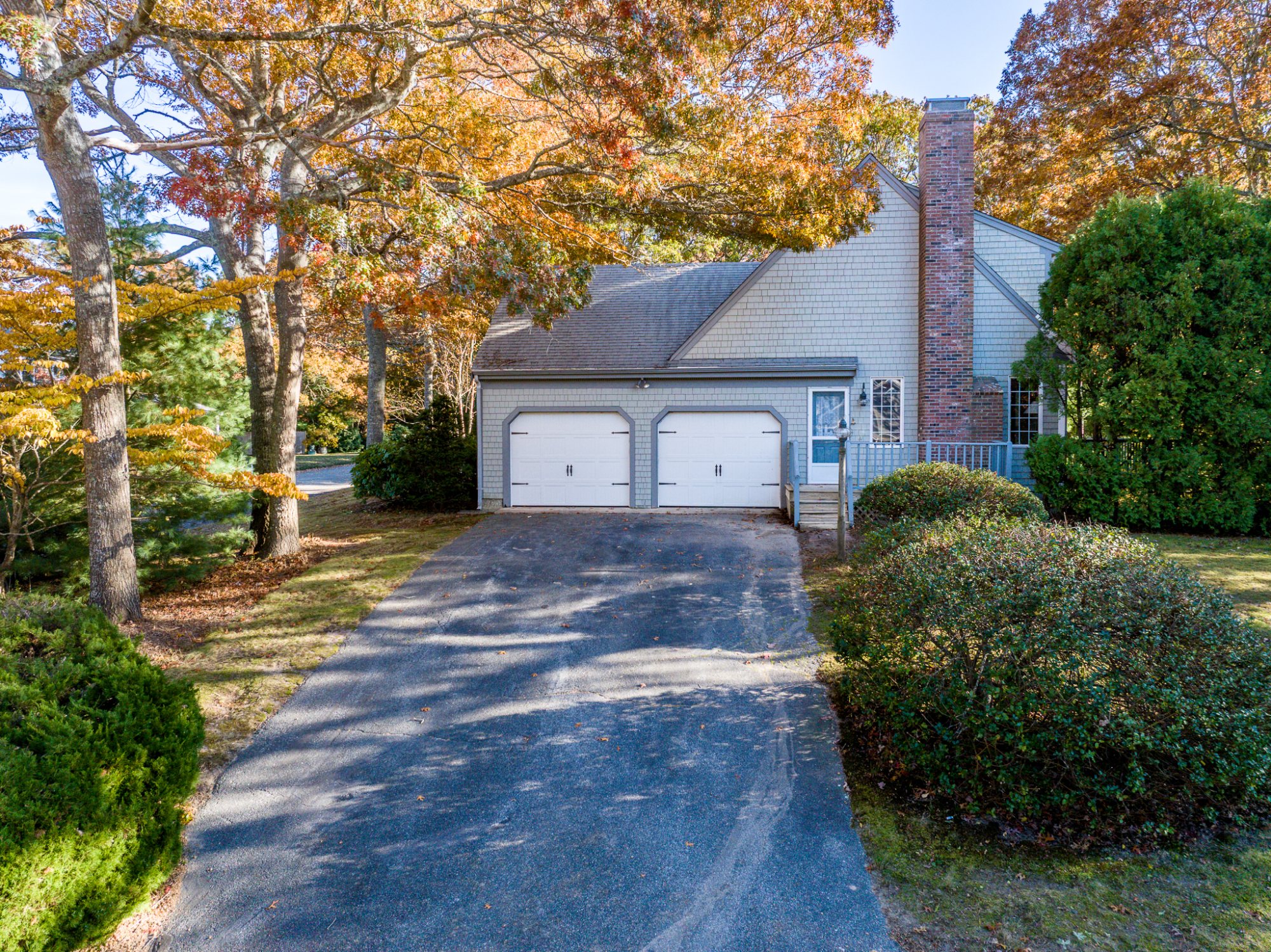
At 3 Maxwell Lane in Sandwich, the Purchase and Sale Agreement required the seller to close out several open Town of Sandwich Building Department permits before closing. Separately, the closing date was extended three times—from October 2 to October 9, then October 20, and finally October 30, 2026. The buyer ultimately closed on October 30. The available records do not state why those extensions were necessary, so it would not be accurate to say the open permits caused the delays. They also do not identify any of the open permits specifically as a pool permit.
What the transaction does show is that permit closeout can become another important item that must be tracked while buyers, sellers, attorneys, lenders, and other professionals are already coordinating the rest of the closing process.
Sometimes the explanation is surprisingly simple.
A homeowner may complete the physical work but forget to schedule the final inspection. A contractor may handle most of the permitting and never complete the last administrative step. Or the current seller may have purchased the property years after the work was done and have no idea an old permit remains unresolved.
This is why the permit file itself matters more than assumptions.
They can.
Under the current Massachusetts State Building Code, a permit becomes invalid if authorized work does not begin within 180 days after the permit is issued, or if work is suspended or abandoned for 180 days after work begins.
The building official may grant one or more written extensions, each for no more than 180 days; a request must be made in writing and show justifiable cause.
Those terms do not necessarily mean the same thing. If you find an old permit, ask the local building department exactly how it is classified and what must happen next.
Permitted work generally moves through an inspection process. The Massachusetts residential building code provides for a final inspection after permitted work is completed, as applicable. The permit holder or authorized agent is responsible for notifying the building official when work is ready for required inspections.
The specific requirements depend on the work and municipality. A renovation can look completely finished while the municipal record still shows the permit process as incomplete.
Sandwich provides a useful Cape Cod example. The Town of Sandwich Building Department uses an online permitting system that allows applicants to follow a project through the permit process, including inspections, departmental sign-offs, amendments, and proper closeout.
Issued permits include a list of the inspections that must be scheduled as work progresses.
Key distinction
Finishing the construction and finishing the permitting process are not necessarily the same thing.
Other Cape Cod municipalities may use different software or procedures, so sellers should check directly with the town where the property is located.
It can be one of the most useful pre-listing due-diligence steps for a property that has been substantially improved. Think about the history of the home.
If so, consider reviewing the municipal permit history before accepting an offer. You are not looking for problems simply for the sake of finding them. You are trying to identify anything that could affect the transaction while there is still time to address it calmly.
Start with the municipality.
Because Massachusetts building permits are administered locally, there is no single statewide database that necessarily tells the complete permit history of every property. If you are unsure what a record means, ask the building department rather than guessing.
Do not look only for the word “open.” Review the permit history more broadly.
If the record is incomplete or unclear, contact the local official.
Age alone does not resolve a permit issue. A seller may discover a permit opened by the current owner, a prior owner, or a contractor many years earlier. The municipality may need to determine how the record can be resolved under current procedures.
Do not assume the municipality will automatically close an old permit simply because the improvement has existed for many years.
That is a different situation.
Open permit vs. unpermitted work
An open permit generally means the permitting process was started but never fully completed. Unpermitted work may mean regulated work was performed without obtaining a required permit.
Massachusetts building-code requirements generally require permits before regulated construction, reconstruction, alteration, repair, changes of occupancy, or other covered work begins.
If you discover an improvement that may have required a permit but no record exists, contact the local building official. Do not assume the solution will be the same as closing an existing permit.
A mismatch between municipal records and the physical property can be another clue that additional research is appropriate.
That does not automatically prove unpermitted work. Records can be incomplete or interpreted differently. But a discrepancy may justify asking: “Was this improvement permitted and approved?”
Pools can involve several different permitting and inspection issues.
That does not mean every pool transaction has permit problems. It means buyers and sellers should verify the municipal record when permit status matters. At 3 Maxwell Lane, the seller’s property disclosure identified pool construction as work for which permits were obtained and the work was approved by an inspector.
At the same time, the Purchase and Sale Agreement separately listed several open municipal permits without identifying what work those permits covered. Because the records do not connect those open permits to the pool, we should not assume they were pool permits.
That is a good example of why documents should be read carefully rather than combined into a conclusion they do not actually support.
Yes.
Not every buyer investigates permits in exactly the same way. But sellers should not rely on the idea that unresolved permits will simply go unnoticed. Proactive review gives the seller more time to respond.
No. Building-code compliance and zoning compliance are related but distinct.
A project may require approvals from more than one department.
Cape Cod properties can involve multiple layers
depending on the property and proposed work.
A building permit is not the same as Conservation Commission approval. For properties near wetlands, marshes, waterways, or other regulated areas, the permit history may also include:
Nancy’s earlier blog about buying near wetlands discusses those processes in more detail.
A seller preparing a property for sale should understand which approvals applied to prior work.
Cape Cod sellers may also need to think about records beyond the Building Department.
These are separate from building permits. A property can have a clean building-permit history and still have other municipal or environmental due-diligence questions.
It can. The biggest problem is often not the permit itself. It is when the issue is discovered. Imagine learning one week before closing that an old permit still needs attention.
At the same time, the buyer may already have movers scheduled, a mortgage-rate lock, a lease ending, another closing, travel arrangements, or other deadlines. That is why permit review can be useful well before closing week.
If the transaction is not ready to close on the date required by the contract, the attorneys may need to address an extension. An extension changes a contractual deadline and should be documented appropriately.
Do not assume either outcome
The buyer does not automatically have to give the seller more time, and a delay does not automatically cancel the sale.
The Purchase and Sale Agreement and circumstances determine the parties’ rights. In Nancy’s 3 Maxwell Lane transaction, the closing date was extended three times before the buyer ultimately closed.
The available records do not say why those extensions occurred, which is exactly why a public article should not attribute them to any particular issue without documentation.
Possibly, depending on the circumstances. But there is no universal answer.
Possible solutions could include completing the required inspection, correcting the permit record, completing outstanding work, extending the closing date, documenting an agreed solution, or another arrangement approved by the attorneys and acceptable to the relevant parties.
Two different questions
The building department determines what resolves the permit. The attorneys determine how the issue affects the real estate transaction.
Yes.
Before listing a Massachusetts home, particularly one with substantial improvements, consider reviewing:
Tap each item to check it off as you go.
You may find nothing concerning. That is useful information too.
If an MLS listing highlights a significant improvement, buyers may want to ask: “Was this work permitted and properly closed out?”
The answer does not automatically determine whether you should purchase the property. It helps identify whether further verification is needed.
Start early. If you know major work has been completed on the property, check the permit history before the transaction becomes time-sensitive. If the records are complete, you gain peace of mind. If something needs attention, you gain time.
And time is often what sellers lose when municipal issues are discovered shortly before closing.
No. The effect depends on the specific permit, municipality, purchase contract, lender requirements, attorney review, and other transaction circumstances.
Not necessarily. It may simply mean the permit process was not completed.
Yes. Under the current state building code, a permit can become invalid if work does not begin within 180 days after issuance or if work is suspended or abandoned for 180 days after beginning.
The building official may grant one or more written extensions, each for no more than 180 days.
No. An expired permit does not necessarily mean the work received all required inspections or approvals.
Permitted work is subject to required inspections, including final inspection as applicable.
Potentially. But the seller should investigate immediately because municipal requirements and transaction deadlines may affect timing.
The current owner may still need to address the property’s permit record.
That may be an unpermitted-work issue rather than an open-permit issue. Contact the local building official to determine the appropriate process.
Yes. Permit research can be useful due diligence, particularly when a property has had substantial improvements.
But it can create questions that become much harder to address if they are discovered late in the transaction. Massachusetts establishes statewide building-code rules, while individual municipalities administer the permits and inspections themselves.
A recent Nancy transaction at 3 Maxwell Lane in Sandwich helps illustrate the broader importance of preparation. The Purchase and Sale Agreement required the seller to close out several open Town of Sandwich Building Department permits before closing.
Separately, the transaction required three closing-date extensions before the buyer ultimately closed on October 30, 2026. The records do not establish that the permits caused those extensions, and they do not identify the open permits as pool permits. That distinction matters.
The lesson is not that an open permit will always delay a closing. The lesson is that unresolved municipal issues add another moving piece to a transaction—and they are much easier to manage when everyone knows about them early.

Getting a home ready for market can involve more than photography, staging, and pricing.
Permit history, septic documentation, municipal records, inspections, transaction deadlines, and other property-specific details can become important once a buyer is under contract.
Nancy can help identify the questions to address before listing and coordinate with your Massachusetts real estate attorney and the appropriate municipal professionals throughout the sale.
Search available properties at www.newhomema.com or contact Nancy at 508.954.3420.
Nancy Cassano | Realtor | Serving Greater Boston & Cape Cod
Phone: 508.954.3420
Email: nancyc@todayrealestate.com
Website: www.newhomema.com

This article reflects Massachusetts building-code and municipal permitting guidance reviewed in November 2026.
Permit requirements, records, inspection procedures, and closeout processes vary by project and municipality.
The 3 Maxwell Lane example is based on Nancy’s transaction records. Those records confirm that the Purchase and Sale Agreement required the seller to close out multiple Town of Sandwich Building Department permits and that the transaction ultimately went through three closing-date extensions before closing on October 30, 2026. The available records do not establish that the permit issue caused the extensions or identify the open permits specifically as pool permits.
Primary sources reviewed include:
Buyers and sellers should verify the actual property record with the applicable municipality and consult their Massachusetts real estate attorney regarding how any permit issue affects their specific transaction.
Compare listings
ComparePlease enter your username or email address. You will receive a link to create a new password via email.