
Short-Term Rental Properties on Cape Cod: A Buyer’s Guide
Cape Cod is one of the most popular vacation destinations in New England, which makes short-term rental properties a natural fit for buyers who want a home that can also earn income. Whether you picture a cottage near the beach that you use a few weeks each summer, or a property you rent out most of the year, buying a short-term rental on Cape Cod takes local knowledge.
As a Cape Cod Realtor, Nancy Cassano helps buyers find homes in the right locations, understand the local rules, and buy with a clear plan for rental income.
Right Location
Beaches, town centers and ferries drive bookings. We help you compare towns and neighborhoods.
Know the Rules
State registration and local town bylaws vary. Check what applies before you make an offer.
Run the Numbers
Weigh rental weeks and nightly rates against taxes, insurance, cleaning and management.
Why Cape Cod Works for Short-Term Rentals
Visitors come to Cape Cod for its beaches, harbors, villages and small-town charm. Demand is strongest from late spring through early fall, and many towns also see steady weekend and holiday visitors in the shoulder seasons.
Homes close to beaches, town centers, ferries and bike trails tend to be the easiest to rent. Cape-style cottages with outdoor space, outdoor showers and room for families are especially popular with guests.
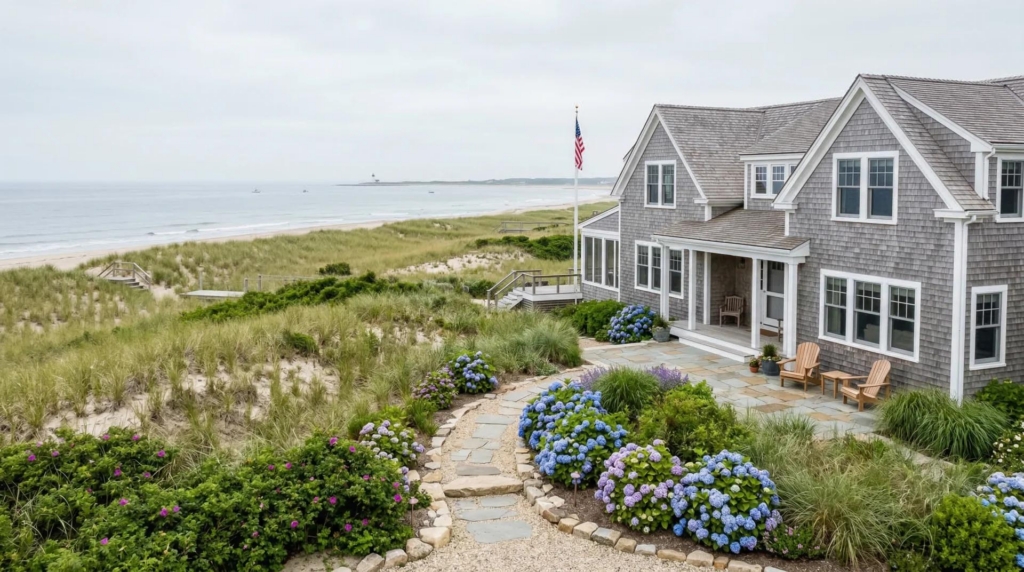
Choosing the Right Location
Location drives rental demand. Buyers often compare towns such as Falmouth, Yarmouth, Dennis, Harwich, Barnstable and Mashpee, each with its own mix of beaches, restaurants and attractions.
Walking distance to the water, parking, and access to Route 6 or Route 28 can all affect how often a home is booked and what guests are willing to pay.
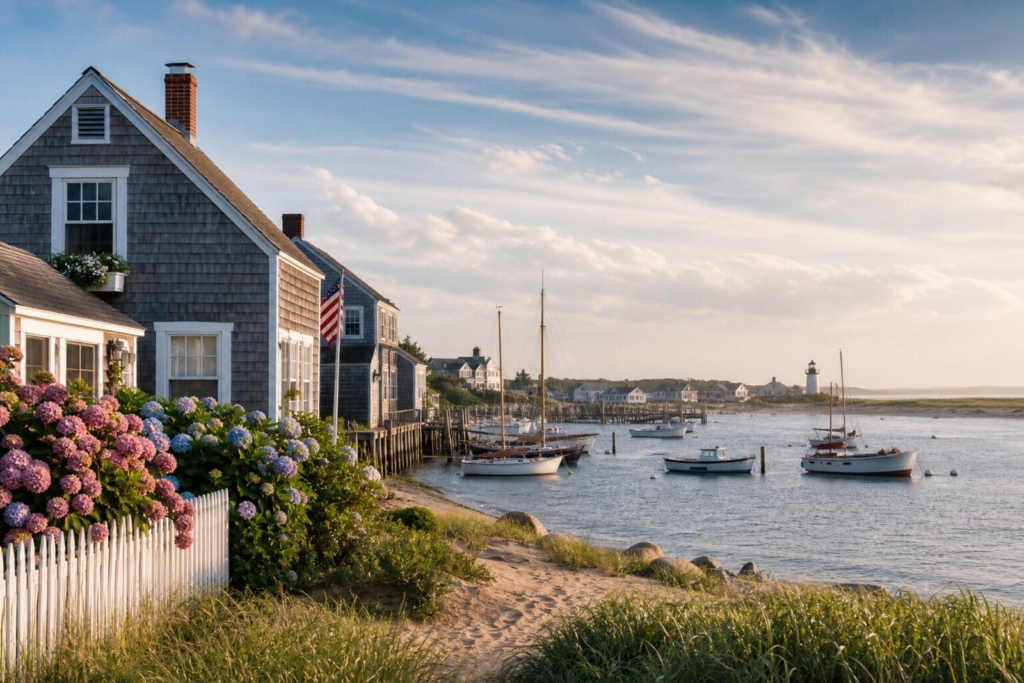
Know the Local Rules Before You Buy
Massachusetts requires short-term rental operators to register with the state, and rentals may be subject to room occupancy taxes. Many Cape Cod towns also have their own bylaws, registration requirements, inspections or limits on short-term rentals.
Rules differ from town to town and can change, so it’s important to check the current requirements for the specific property and town before you make an offer.
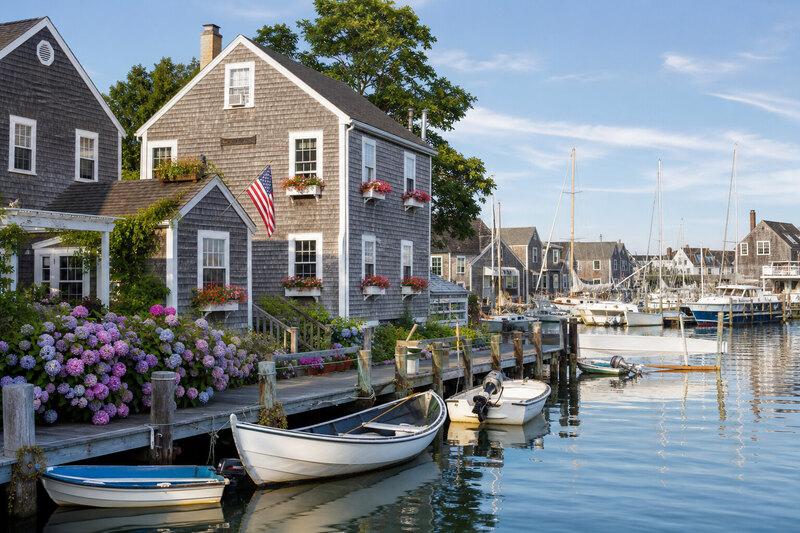
Running the Numbers
A good short-term rental purchase starts with realistic numbers. Buyers should look at expected rental weeks, nightly rates in the area, property taxes, insurance, utilities, cleaning, maintenance and property management fees.
Financing a second home or investment property can also differ from a primary home loan, so speaking with a lender early is a smart first step.

Features Guests Look For
Guests on Cape Cod often look for updated kitchens and baths, comfortable outdoor living spaces, air conditioning, parking, and easy beach access. Homes that sleep larger groups or families can stand out in busy summer weeks.
Small upgrades such as outdoor showers, decks, fire pits and good Wi-Fi can make a property more appealing and help with reviews and repeat bookings.
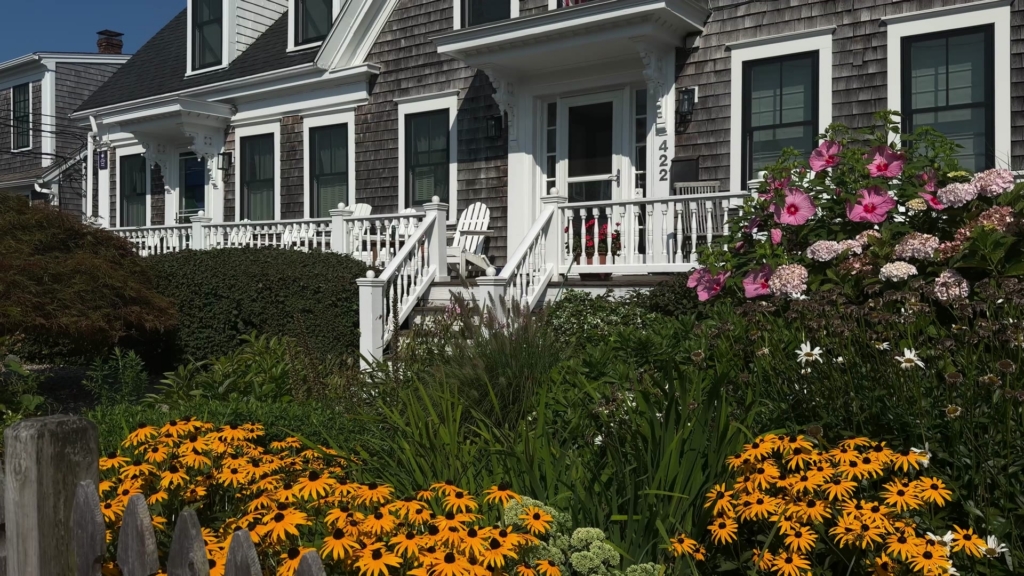
Short-Term Rental Checklist Before You Buy
- Confirm the town’s current short-term rental rules and registration
- Plan for Massachusetts short-term rental registration and occupancy taxes
- Check rental history or comparable listings nearby
- Estimate realistic rental weeks for the season
- Budget for cleaning, maintenance and property management
- Talk to a lender about second-home or investment financing
Common Questions About Short-Term Rentals on Cape Cod
In many cases yes, but each town has its own rules. Massachusetts requires registration for short-term rentals, and some towns add their own permits or limits. Always check the current local requirements before buying.
Summer is the peak season, usually from late June through Labor Day. Many areas also see good demand in late spring and early fall.
Yes. Many buyers block off weeks for their own family and rent the rest of the season.
Work With a Top Realtor on Cape Cod for Short-Term Rental Properties
If you are thinking about buying a short-term rental property on Cape Cod, Nancy Cassano can help you compare locations, understand local rules and find a home that fits your goals. Reach out today to start your search.
© 2026 All Rights Reserved.